19.3K
Downloads
123
Episodes
CARE staff around the world talk about experiences we learn from failure, and how we use that to get better at our work.
Episodes
Dec 6, 2023
Dec 6, 2023
39 min
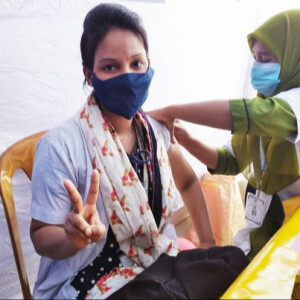
Katharine Nasielski, Pari Chowdhary, and Brittany Dernberger talk about Fast and Fair-- CARE's work trying to get COVID-19 vaccines out to the world to meet the global deadline for 80% vaccination rates by September 2022. Advocating for funding and policy change, running programs to support vaccine delivery around the world, and trying to measure global to local impact are all places where we've learned a lot about what we need to do next time. Because like it or not, we need to prepare for a next time. Consistent investments in innovative, nimble, and adaptable are our best shot for future pandemic preparedness.
Sep 21, 2023
Sep 21, 2023
29 min
Monalisa Salib wants you to get cozy with the context. If your theory of change is full of assumptions and logical statements that could easily be true anywhere in the world, it's probably not going to work. Only by understanding the context where we operate and respecting the actors and the expertise in that context will real change happen. That means knowing the specific players, actors, and dynamics where change gets done. Another tip she has for you: people matter more than process, and technical solutions will never be enough.
Aug 24, 2023
Aug 24, 2023
33 min
Why do we spend so much time and money on gathering data we never use? Why can't we always find the data we need to make good decisions? Christina Synowiec from Results for Development talks about Getting Rigor Right, and article she co-authored on deciding how rigorous data needs to be based on the decision you are trying to make. Sometimes you need quick, indicative data. Sometimes you need people's voices. (Often you need both). You always need data, but only sometimes do you need the most rigorous data to make a good decision.
May 8, 2023
May 8, 2023
29 min
Kevin Starr talks about his article "Don't Feed the Zombies" and how if we focus on measuring reach, instead of caring about impact, we end up doing harm in the world. His vision is a world where you can't get taken seriously if you can't talk about real, measurable change in the lives of people we serve, and the evidence to back it up. "The minute you commit to impact, and a definition thereof, you're starting to be part of the solution." What's a definition of impact? Evidence of change that happened in someone's life, and a plausible description about how your part in that change worked. If we (especially donors) are not accountable for impact, they end up supporting groups that aren't accountable to the people they serve, and are not driving for the full potential of what we can get done in the world. Here are some other links to check out:
Apr 25, 2023
Apr 25, 2023
26 min
Anne Sprinkel talks about trying to implement, translate, and apply learnings from a Randomized Controlled Trial (RCT) in the middle of a pandemic. "Communities are not laboratories, and they deserve so much more." She talks about how to combine qualitative data and triangulate different perspectives in an RCT, and all of the learning around it. "Simply taking one person at their word...that is truth." Anne first joined the podcast in 2019, talking about Square Pegs and Round Holes and fitting research to community needs. Nearly four years later, she's talking about what their RCT told them, social norms findings, and balancing people's lived truth with "rigorous" research findings.
Nov 16, 2022
Nov 16, 2022
20 min
In part 2 of her podcast, Kalkidan Yihun talks about how to make sure that data transforms into action--and especially that women and girls who contribute data get that data back in ways they can use themselves. Instead of extractive processes that feed into a black box that communities never see, think about how to format and share data so women can act. Who needs to see it? Who will take action? What ways make sharing that data safe for people who provided it? Kal coordinates the Women Respond project, and offers tips and lessons about what doesn't work (and does) in putting women's voices first.
Nov 9, 2022
Nov 9, 2022
12 min
Kalkidan Yihun talks about how to redesign data collection so it centers what people--especially women--want and need, instead of being a burden on their time and lives because of what's easiest for the data collectors and researchers. Kal coordinates the Women Respond project, and offers tips and lessons about what doesn't work (and does) in putting women's voices first.
Jan 11, 2022
Jan 11, 2022
24 min
Nour AlSaaideh and Heba Abu Deyak reflect on what they learned doing cost efficiency analysis with the Dioptra tool. When they look at Conditional Cash Transfers for Education, cost is one metric, but it's not the only--or maybe even the most important one. Learn more about how we can focus on effectiveness AND efficiency so that when we lower costs, we don't compromise on impacts. Focusing on just cost runs the risk of creating programs that reach a lot more people without providing useful impacts in their lives. Do it well, and with some structure, can you can learn a lot about improving your programs.
Jan 19, 2021
Jan 19, 2021
26 min
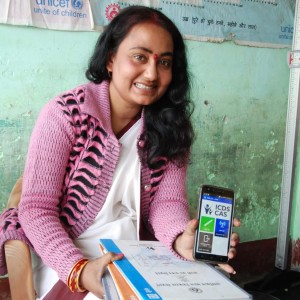
Dr. Tanmay Mahapatra and Dr. Shridhar Srikantiah from CARE India’s Bihar Technical Support Program explain how they use data to catch failures and make adjustments in real time with their Concurrent Measurement and Learning approach. Learn more at: bihar.care.org
Nov 12, 2020
Nov 12, 2020
17 min
Clement Bisai from CARE Malawi talks about what he and his team are learning about how to do better remote data collection. Focus, listen to communities, and reflect regularly are his key takeaways. Don't expect to outsource everything. Digital remote data collection may be the best way to work in COVID-19, but we're already learning how to do it better.
Sep 17, 2020
Sep 17, 2020
12 min
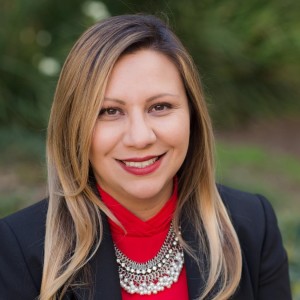
Deyanira Nevarez Martinez from UC Irvine talks about the challenges of doing research in COVID-19, and the importance of contingency and risk management planning. How would you plan if you thought everything might go wrong? What are your alternatives for each step of your process? When COVID-19 turned everything upside down, Deyanira talks about strategies for moving research forward. Deya's research is in California, but she's got advice that can apply for everyone in the world.
Apr 20, 2020
Apr 20, 2020
15 min
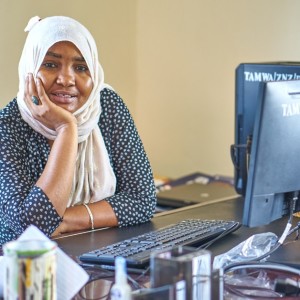
Jay Goulden talks about designing a data system to collect information on pandemic response in 78 countries--a first for CARE. He says act quickly, iterate fast, and think what your system might need to be in two weeks or a month as the situation evolves. He also talks about reducing burdens on over-taxed staff, streamlining systems, and connecting data collection to data use. Oh--and make it beautiful to look at.

Feb 27, 2020
Feb 27, 2020
12 min
Iain Dickson from Birdlife talks about his project, "Embracing Failures" which is developing a failure taxonomy that helps conservation organizations learn about the underlying causes of failure. What can we do to get better at learning from failure? "Just live it," says Iain. "We think about it as a complex overarching problem, but many of the solutions are simple." One of the key solutions they found was that there's appetite to talk about failure, but it works best when this is a conversation, and not an exercise filling out forms.
Jan 29, 2020
Jan 29, 2020
16 min
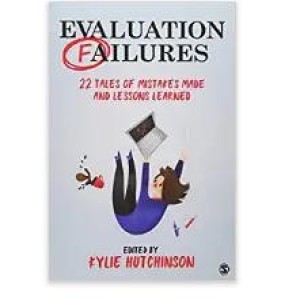
Kylie Hutchinson, independent evaluator and author of three books about evaluation and program planning: Evaluation Failures: 22 Tales of Mistakes Made and Lessons Learned, A Short Primer on Innovative Evaluation Reporting, and Survive and Thrive: Three Steps to Securing Your Program’s Sustainability talks about how to learn from common evaluation failures to improve impact and social justice. Her two tips are learning how to engage stakeholders more effectively and understand context when you're doing an evaluation. Here are three questions to ask yourself before launching an evaluation: 1) What are we trying to learn? 2) What are we going to do about the answers? 3) When do we need to know?
If you want to learn more, you can read a free chapter in the book here, or find some tips on how to find evaluators here: http://evaluationforleaders.org
Jan 9, 2020
Jan 9, 2020
16 min
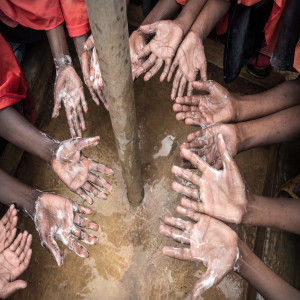
Learning to be less dogmatic about answering the most important academic questions, but instead focus on the practical questions that would allow project teams to "innovate and push" around creating sustainable programs for WASH in schools. Matt Freeman from Emory University and Peter Lochery from CARE talk about what they learned trying to create research that moved programs forward, and allowed us to get better at the work--even when it wouldn't contribute to publications in prestigious journals. They talk about 13 years of research partnership in the SWASH+ project--and how lots of smaller, practical studies with rigorous methods were more useful than one big RCT.