
18.4K
Downloads
119
Episodes
CARE staff around the world talk about experiences we learn from failure, and how we use that to get better at our work.
Episodes

Dec 4, 2019
Dec 4, 2019
18 min
Holly Radice--CARE's Global Cash and Voucher Assistance Advisor--talks about the most common mistakes she sees when people implement cash programming. Some of her tips? Pay attention to GBV, focus on women and engage men, and most of all--don't be afraid of cash! There are lots of resources that can help you get it right.
Oct 16, 2019
Oct 16, 2019
24 min
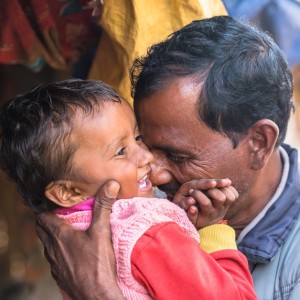
Anne Sprinkel and Dipendra Sharma from CARE's Tipping Point project talk about the challenges in implementing RCTs, and the risk of sacrificing communities' needs to the methodological rigor that researchers demand. "Make sure you have a good reason for doing an RCT," says Sprinkel. Sharma adds, "Start with good programming, then build research around it." They also have some great tips for managing expectations, clear communication, and just how long it takes to do it right (Hint: it's a lot longer than you think).
Aug 28, 2019
Aug 28, 2019
15 min
Yawo Douvon et Barbara Jean Claude de CARE Haiti discute l'importance d'avoir le courage de dire quelque chose ne marche pas. Il faut du courage pour expliquer que les objectives ne sont pas realiste, et que nous risquons de ne pas tout accomplir. Avoir l'analyse du context--meme dans les cas d'urgence--le renforcement des rapports avec les bailleurs, la suivi des indicateurs, et la communcation sont tous les outils qui peuvent vous aider.
Aug 22, 2019
Aug 22, 2019
12 min
Yawo Douvon and Barbara Jean-Claude from Haiti talk about the importance of being bold when it comes to admitting that something won't work. It takes courage to point out that goals and expectations are unrealistic, and that we might not get everything done. Getting good context analysis--even in emergencies--building solid donor relationships, carefully monitoring data, and being proactive in communications when something goes off track are all tips that can help you through a rocky project implementation. (French version will be coming the week of August 26th.)

May 20, 2019
May 20, 2019
17 min
Katie Pons from CARE talks about a current research effort to learn from what goes wrong based on CARE's evaluations. Using a qualitative analysis program called MAXQDA, Katie and her colleagues have been doing a meta-analysis to give us a more structured way to talk about failure, not just case by case, but in the broader systems sense. Listen to the podcast, and then tell us what reports you would like to see from this data set. Shout out in the comments, or e-mail ejanoch@care.org.

Apr 3, 2019
Apr 3, 2019
14 min
In our first ever Francophone episode, Fanomezantsoa Randrianarisoa from CARE Madagascar talks about what happens when you launch an experimental monitoring system before partners are ready for it. Besides challenges getting the data you need, there are serious risks to sustainability. Investing in people's skills, creating back-up plans, and aligning with global systems are some of the solutions.
Dans notre premier épisode francophone, Fanomezantsoa Randrianarisoa du CARE Madagascar explique ce qui se passe si vous lancez un nouveau system d’évaluation avant que l’équipe ne soit prêt. Il n’y a pas seulement les difficultés de trouver l’information, mais aussi les risques pour pérenniser le system. Les leçons appris comprennent : un appui au personnel, l’appropriation du system, et l’harmonisation avec les autres systems.

Mar 27, 2019
Mar 27, 2019
14 min
Ian Lathrop from USAID’s LEARN project talks about how to show the art of humility, and learn from failures so we don’t repeat them. After action reviews, pause and reflect, and having leaders model behavior are all practical actions he suggests for getting better at this. Some of the resources he suggests to create space for learning from failure are USAID Learning Lab - CLA Maturity Tool Resources, the video on Community Connector and CLA: Proving the Concept, and Learning Lab’s failure blog.

Oct 17, 2018
Oct 17, 2018
17 min
In a two year period, more than 600 CARE projects closed without ever reporting impact data. Sofia Sprechmann, CARE International's Program Director, talks about why we've been failing to report all of our impact, and what we're doing to fix it. Two tools she references are the resources on measuring the impact of advocacy and CARE's unique Impact Map.