
18.6K
Downloads
120
Episodes
CARE staff around the world talk about experiences we learn from failure, and how we use that to get better at our work.
Episodes
Aug 27, 2021
Aug 27, 2021
20 min
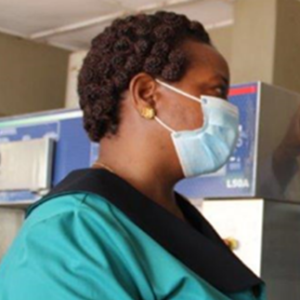
Amani Idfonce from CARE Tanazania talks about how reinforcing the whole health system--especially with community health workers--makes it possible to get an even better COVID response than focusing on the disease alone would have done. How did they manage it? They worked on aligning with existing priorities, thinking about infectious diseases more broadly, and remembered to keep regular services running. Read more about the project here.
May 11, 2021
May 11, 2021
20 min
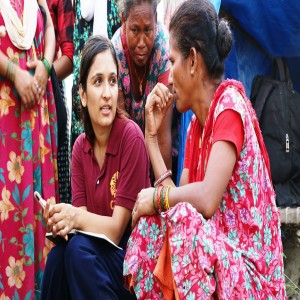
Mona Sherpa from CARE Nepal reflects on lessons learned in responding to emergencies in true collaboration with local partners. "We are not superior. Learning has to go both ways," she says. It's not just about your plans on paper or your commitment to principles, but also your actions and your systems.
Apr 30, 2021
Apr 30, 2021
21 min
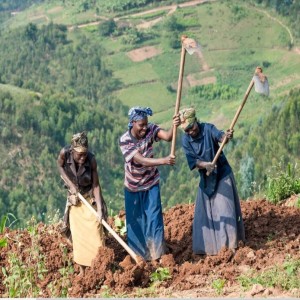
Zachary Vinyard from the One Acre Fund talks about how digital projects in Rwanda failed because of too many assumptions about what worked for farmers. His team has a new report on Digital Innovations, and how to get better. Key tips? Break inward. Design experiments so if they fail, the organization bears all of the extra risk and extra work, and the farmers you serve don't have to take it on. Also, don't assume just because the code works that it will work for people. The benefits we care about are to farmers, not to functional code.
Apr 9, 2021
Apr 9, 2021
19 min
"Don't try to win for yourself. Try to win for impact." Rahul Chandran talks about what he terms the catastrophic failure of innovation in the humanitarian sector, why importing the Silicone Valley model of innovation and scale doesn't work, and how collective action and anti-racism are the only solutions. "Scale isn't about big" is just one of his provocations to the sector at large.
Jan 19, 2021
Jan 19, 2021
26 min
Dr. Tanmay Mahapatra and Dr. Shridhar Srikantiah from CARE India’s Bihar Technical Support Program explain how they use data to catch failures and make adjustments in real time with their Concurrent Measurement and Learning approach. Learn more at: bihar.care.org
Nov 19, 2020
Nov 19, 2020
20 min
Fiona Cooper talks about her experience leading the research for round two of CARE's Learning From Failure initiative, and…I know this will surprise everyone…we haven’t stopped failures yet. We do have some hopeful signs that we’re failing better. Fiona talks about the importance of looking internally, acknowledging that everyone fails, and finding ways to be honest about failure in a sector that's not really comfortable with it.
Nov 12, 2020
Nov 12, 2020
17 min
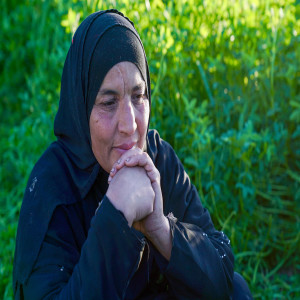
Clement Bisai from CARE Malawi talks about what he and his team are learning about how to do better remote data collection. Focus, listen to communities, and reflect regularly are his key takeaways. Don't expect to outsource everything. Digital remote data collection may be the best way to work in COVID-19, but we're already learning how to do it better.
Oct 29, 2020
Oct 29, 2020
20 min
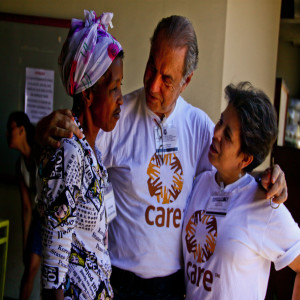
Hazem Fahmy from CARE Egypt talks about the journey from being a country office to becoming an independent member of the CARE family. What are some of his key lessons? First, don't spend all your time planning--test out actions and adapt. Second, learn to listen for what people aren't telling you; trust is critical for organizational change. Third, keep your principles firmly in mind as a north star. It can be easy to lose track of why we're transforming in the excitement of growing a business.
Oct 14, 2020
Oct 14, 2020
19 min
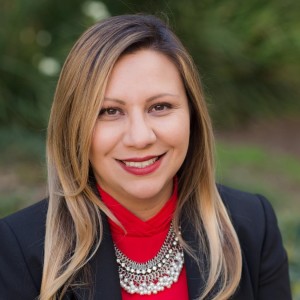
Tatiana Bertolucci--CARE's Regional Director for Latin America and the Caribbean--talks about what she learned closing the CARE Brazil office. We need to engage with curiosity and treat organizations in the global south as powerful allies, not people who merely implement our agenda. We also need to invest in more diverse boards. "There is knowledge everywhere if we will listen to it." Another lesson is "scream for help sooner" when something is not working.
Sep 17, 2020
Sep 17, 2020
12 min
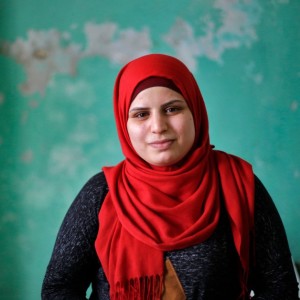
Deyanira Nevarez Martinez from UC Irvine talks about the challenges of doing research in COVID-19, and the importance of contingency and risk management planning. How would you plan if you thought everything might go wrong? What are your alternatives for each step of your process? When COVID-19 turned everything upside down, Deyanira talks about strategies for moving research forward. Deya's research is in California, but she's got advice that can apply for everyone in the world.
Aug 13, 2020
Aug 13, 2020
17 min
Salah Hamwi from CARE Turkey talks about lessons learned in fighting rumors and misinformation about COVID 19. "We're fighting against time," he says. You have to get good information out first so that rumors don't have the space to grow and spread. Using digital platforms, getting leaders involved, and using evidence to shape your programs are all other key steps.
Jul 29, 2020
Jul 29, 2020
20 min
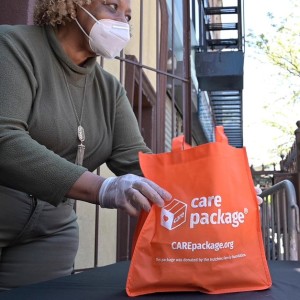
Ryan Shepard talks about launching CARE's first US-focused project, creating jobs and feeding kids impacted by #covid19. It wasn't an easy lift and "depended on a lot of things all going right at a very uncertain time." What are Ryan's takeaways? Listen for the truth that will make you stronger, even when people's feedback is discouraging. Believe in the core of what must work, constantly refine the details, and make decisions true to your principles.
Jun 18, 2020
Jun 18, 2020
24 min
Puji Pujiono of the Pujiono Center and Victoria Palmer from CARE Canada talk about their paper based on the Sulawesi response in Indonesia.This time, they talk about what organizations can do once a crisis has already started to have better success with partners, and help them achieve their goals rather than hurt them.
Jun 3, 2020
Jun 3, 2020
18 min
How do international NGOs create problems when they team up with local activists? It's the CARE of 1000 papers, where our processes are so focused on reducing risk that we bury local groups under the weight of our expectations, and don't give them the support they need. Puji Pujiono of the Pujiono Center and Victoria Palmer from CARE Canada talk about their paper based on the Sulawesi response in Indonesia, where we learned a lot about what we can do BEFORE we reach out to local partners so that we're truly helping response and empowering those partners. Stay tuned for part 2, where they discuss what we can do once a crisis hits.
Apr 20, 2020
Apr 20, 2020
15 min
Jay Goulden talks about designing a data system to collect information on pandemic response in 78 countries--a first for CARE. He says act quickly, iterate fast, and think what your system might need to be in two weeks or a month as the situation evolves. He also talks about reducing burdens on over-taxed staff, streamlining systems, and connecting data collection to data use. Oh--and make it beautiful to look at.