
18.6K
Downloads
120
Episodes
CARE staff around the world talk about experiences we learn from failure, and how we use that to get better at our work.
Episodes
Sep 26, 2019
Sep 26, 2019
12 min
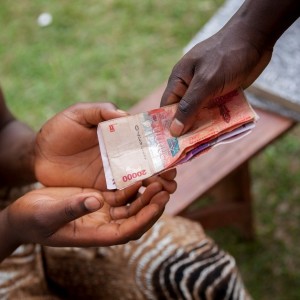
Grace Majara and Takara Morgan talk about starting savings groups in Uganda's cities in 2008, with no experience, and no one on the team who had ever done it before. We assumed that the city VSLAs would be exactly the same as rural ones, and we were wrong. Differences in financial literacy, poor access to services, and the need to bring in people who understood the context are all key lessons from Grace's decade of experience in the space.
Sep 19, 2019
Sep 19, 2019
17 min
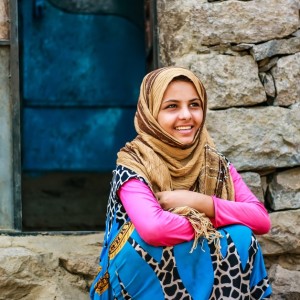
Camille Davis and Barack Kinanga talk about the challenges of creating savings groups (VSLAs) in emergency settings. Barack works in Yemen, where they have been able to create savings groups, but only by making a lot of adjustments to our traditional model. Not every context works for VSLAs, and it takes longer for people in crisis to build up savings than in development settings. We also have to think about what happens if the people have to move again, and what they need to build resilience.
Aug 28, 2019
Aug 28, 2019
15 min
Yawo Douvon et Barbara Jean Claude de CARE Haiti discute l'importance d'avoir le courage de dire quelque chose ne marche pas. Il faut du courage pour expliquer que les objectives ne sont pas realiste, et que nous risquons de ne pas tout accomplir. Avoir l'analyse du context--meme dans les cas d'urgence--le renforcement des rapports avec les bailleurs, la suivi des indicateurs, et la communcation sont tous les outils qui peuvent vous aider.
Aug 22, 2019
Aug 22, 2019
12 min
Yawo Douvon and Barbara Jean-Claude from Haiti talk about the importance of being bold when it comes to admitting that something won't work. It takes courage to point out that goals and expectations are unrealistic, and that we might not get everything done. Getting good context analysis--even in emergencies--building solid donor relationships, carefully monitoring data, and being proactive in communications when something goes off track are all tips that can help you through a rocky project implementation. (French version will be coming the week of August 26th.)
Aug 9, 2019
Aug 9, 2019
14 min
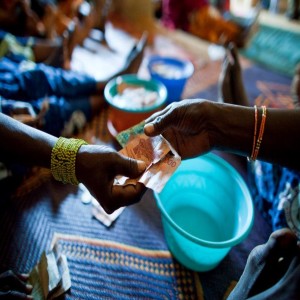
By popular demand, we've translated the August 1 Francophone episode into English. When CARE first started working with Village Savings and Loan Associations (VSLA) in Niger, we nearly broke the model because we were sure that we knew what to do, and women were wrong. Field staff were afraid to tell us that women were sharing out the money--a practice that is now a cornerstone of a global approach reaching millions of people. Why? Because it went against all of our assumptions about economic empowerment. Dr. Fatma Zennou from Niger talks about how to create a culture where people are not afraid to highlight innovations and the unexpected, where money isn't everything in empowerment, and where we help women put their voices together for change.
Aug 1, 2019
Aug 1, 2019
14 min
Episode Francophone. Quand CARE a commence le travail avec les Associations Villageois d'Epargne et de Credit (AVEC) au Niger, nous avons presque casse le modele parce que nous étions sûrs de notre approche, et que les femmes villageois se trompaient. Les animatrices avaient peur de nous dire que les femmes partagaient la caisse--ce qui est maintenant une pratique cle pour l'approche pour les millions de personnes. Pourquoi? Parce que cela a defie nos assomptions sur l'empowerment economique. Dr. Fatma Zennou du Niger discute la creation d'une espace ou les gens n'ont pas peur de discuter les innovations et l'innatendu, ou l'argent n'est pas tous, et ou les femmes mettent leurs voix ensemble pour le changement.
French Episode: When CARE first started working with Village Savings and Loan Associations (VSLA) in Niger, we nearly broke the model because we were sure that we knew what to do, and women were wrong. Field staff were afraid to tell us that women were sharing out the money--a practice that is now a cornerstone of a global approach reaching millions of people. Why? Because it went against all of our assumptions about economic empowerment. Dr. Fatma Zennou from Niger talks about how to create a culture where people are not afraid to highlight innovations and the unexpected, where money isn't everything in empowerment, and where we help women put their voices together for change.
Jul 18, 2019
Jul 18, 2019
17 min
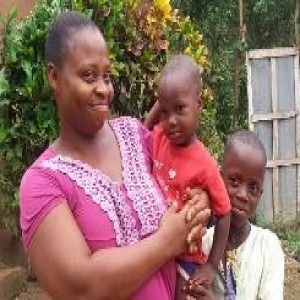
In our second francophone episode, Huguette Sekpe Sossouhounto from CARE Benin/Togo talks about how CLTS (a common sanitation approach) failed in her project, and how communities helped them find a Plan B that works. What are the key lessons learned? Pay attention to signs that something is going wrong, and then, "talk to the communities about what their dreams are, and how they can achieve those dreams." Local partners can help you find a solution.
Jun 26, 2019
Jun 26, 2019
16 min
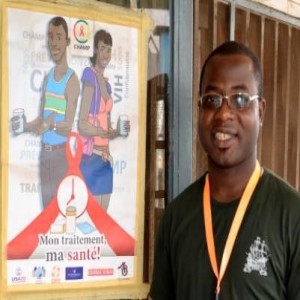
When it comes to HIV/AIDS prevention and treatment programs, the approach is simple: find people who are at risk, test them for HIV, then link them to treatment if necessary. But what happens when the people most vulnerable to the virus don’t want to be found? Sandra Georges from CARE Cameroun’s PEPFAR-funded CHAMP program describes a time when “the usual approach” didn’t work, forcing their team to take risks and make big changes to avoid losing funding.

May 20, 2019
May 20, 2019
17 min
Katie Pons from CARE talks about a current research effort to learn from what goes wrong based on CARE's evaluations. Using a qualitative analysis program called MAXQDA, Katie and her colleagues have been doing a meta-analysis to give us a more structured way to talk about failure, not just case by case, but in the broader systems sense. Listen to the podcast, and then tell us what reports you would like to see from this data set. Shout out in the comments, or e-mail ejanoch@care.org.
Apr 10, 2019
Apr 10, 2019
10 min
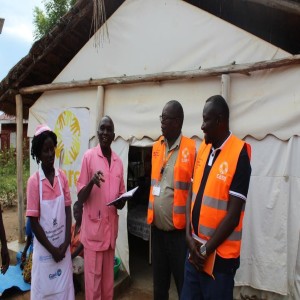
Mike Mukirane from Uganda's West Nile team talks about an attempt to recruit and pay midwives for a CARE project through the local government system. Because we didn't know enough to set it up well, the midwives went for 6 months without getting paid, "working tooth and nail" the whole time. Learning more from other partners' experience, thinking more carefully about contract requirements, and understanding implications of our budgeting choices are all recommendations for how to avoid the problem.
Apr 3, 2019
Apr 3, 2019
14 min
In our first ever Francophone episode, Fanomezantsoa Randrianarisoa from CARE Madagascar talks about what happens when you launch an experimental monitoring system before partners are ready for it. Besides challenges getting the data you need, there are serious risks to sustainability. Investing in people's skills, creating back-up plans, and aligning with global systems are some of the solutions.
Dans notre premier épisode francophone, Fanomezantsoa Randrianarisoa du CARE Madagascar explique ce qui se passe si vous lancez un nouveau system d’évaluation avant que l’équipe ne soit prêt. Il n’y a pas seulement les difficultés de trouver l’information, mais aussi les risques pour pérenniser le system. Les leçons appris comprennent : un appui au personnel, l’appropriation du system, et l’harmonisation avec les autres systems.
Mar 27, 2019
Mar 27, 2019
14 min
Ian Lathrop from USAID’s LEARN project talks about how to show the art of humility, and learn from failures so we don’t repeat them. After action reviews, pause and reflect, and having leaders model behavior are all practical actions he suggests for getting better at this. Some of the resources he suggests to create space for learning from failure are USAID Learning Lab - CLA Maturity Tool Resources, the video on Community Connector and CLA: Proving the Concept, and Learning Lab’s failure blog.
Mar 21, 2019
Mar 21, 2019
14 min
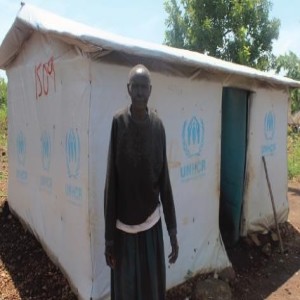
It's more than a house; we are trying to provide dignity. Sam Okello and Alson Madrar from CARE Uganda talk about all of the ways they tried to build safe and dignified housing for South Sudanese refugees into Uganda. Rainy season, termites, riots, thieves, and hundreds of refugees a day were challenges that the houses couldn't stand up to--literally. Over a year of trials, house after house failed. By working with refugees with special needs to find out what would work, they eventually got to a housing model where 90% of refugees feel safer, and more than 20% cheaper than the original method. See their journey here. Read the project evaluation here.
Feb 27, 2019
Feb 27, 2019
17 min
Failure without learning is final. Otherwise, it's just part of the process. Walter Mwasaa from CARE's SHOUHARDO III talks about how cutting-edge work with youth highlighted gaps in our success metrics and how we hear feedback. Cultivating the art of listening, building acceptance of failure into our culture, and understanding that failure is everywhere are his key takeaways. It's in the smallest details--embrace when people are late, and see how that translates to new ideas.
Feb 19, 2019
Feb 19, 2019
18 min
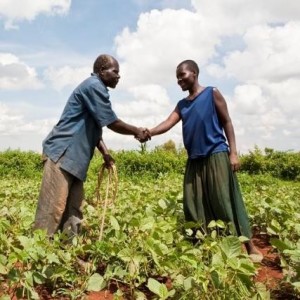
Octavio de Sousa from CARE Mozambique talks about our recent post-project evaluation of agriculture adoption. Some practices the community never adopted—but didn’t tell us until 5 years later. Some they did adopt, but market forces made it impractical after the project ended. Octavio reflects on how power dynamics, safe spaces, and incentives can prevent us from making the best impact possible, and from applying our learning. Read the Learning Brief published with our partner FANRAPAN here.